Google Ads.
Facebook Ads.
Which fits your business?
Answer eight quick questions and get your own starting plan: which platform first, how to split the budget and what to test.
Get your plan or read the full guide below.
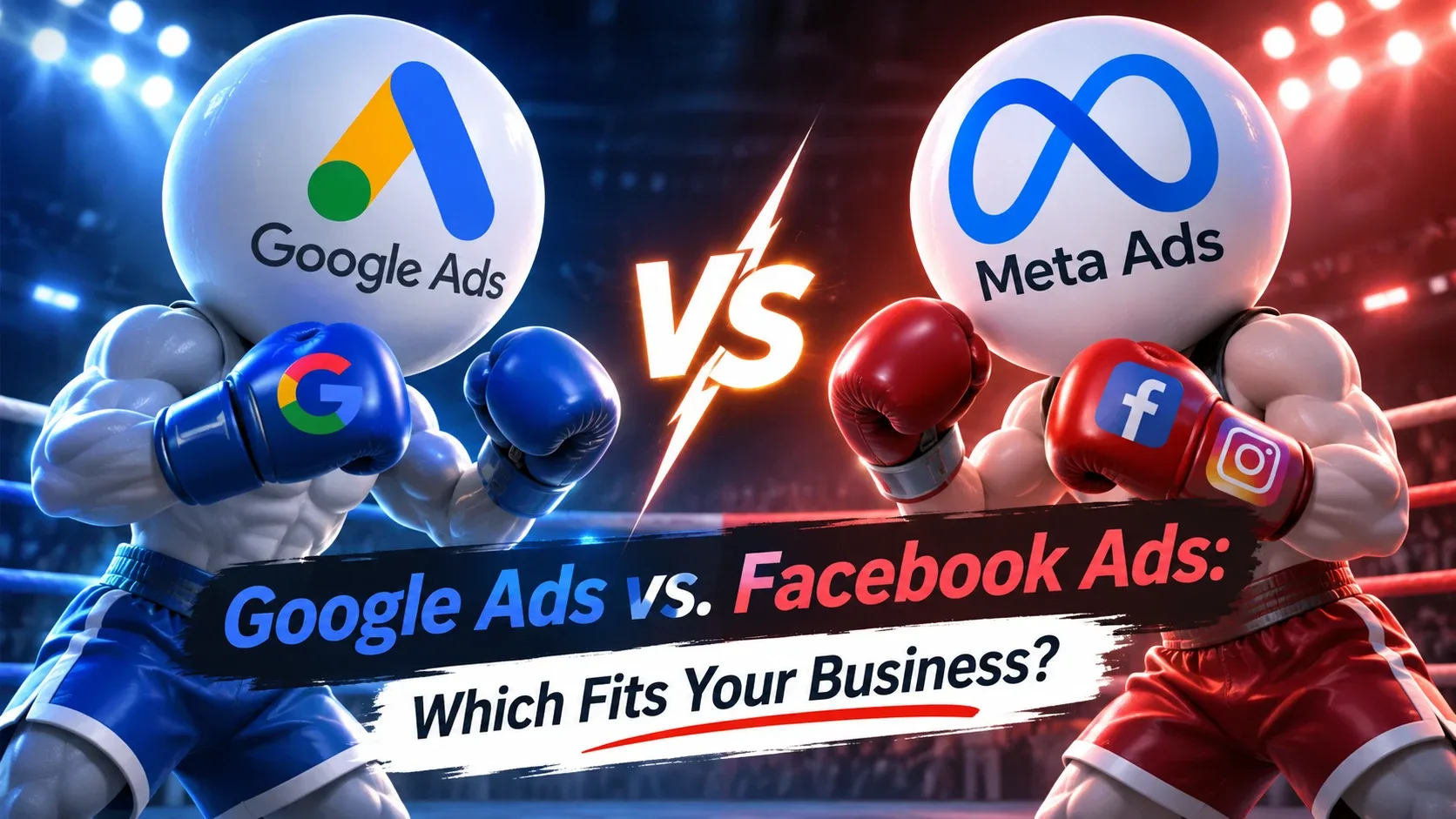
Meta or Google? Get your plan.
8 questions2 minutesFree
A planning guide from our own accounts, not a forecast. Every business is different. Read the full guide below.
In this guide
Choose the job. Not the industry.
Choose a channel around the buying decision, not an industry label. A jewelry retailer and a renovation company can both capture existing interest and introduce an offer to people who were not actively searching for it.
The useful comparison is demand, explanation, economics and readiness. The two businesses in this guide are illustrative examples, not Pivyt client results.


Two platforms. Several different jobs.
Search responds to a query. Shopping can present product information to shoppers. Google also has video and discovery formats; treating all Google advertising as search misses those roles.
Meta supports sales and lead objectives as well as awareness. A discovery-led ad can lead directly to a purchase. Choose a campaign and objective for the job, rather than assuming a platform belongs to only one stage.
Platform scope: Google campaign types, Shopping ads, and Meta campaign objectives.
Google Ads and Meta ads at a glance
| GGoogle Ads |   Meta ads | |
|---|---|---|
| Where ads show | Search results, Shopping, YouTube, Gmail, Discover | Facebook and Instagram feeds, Reels, Stories |
| The buyer is | Usually already looking | Usually not looking yet |
| What wins | Matching the search, a relevant page, the right price | A scroll-stopping hook, a clear demonstration, proof |
| Main job | Capture demand that exists | Create demand that doesn’t yet |
| Creative needed | Text ads, product feed, some video | Video and images, refreshed often |
What does the buyer know already?
Use the funnel as a thinking aid, not a fixed customer itinerary or a set of invented market percentages. People can arrive ready to compare, discover something unexpectedly, return later or skip stages.
The jewelry shopper and the homeowner each have both search-led and discovery-led situations. What they already understand determines how much the ad and landing page need to explain.
- Not awareHasn’t thought about it
- Problem awareKnows the need, not the fix
- ComparingWeighing options and prices
- Ready to buySearching for a provider
A thinking aid, not a fixed path. People skip stages and come back later.
Why Search can be relevant.
Search relevance comes from the relationship between the query, the offer and the destination. A matching collection page helps a jewelry shopper; a relevant project and inquiry page helps the homeowner.
Look for commercial intent, sufficient relevant demand and plausible acquisition economics. High intent does not guarantee affordability or conversion. Low brand-search volume alone does not mean there is no demand for the product category.
renovate.example.com › kitchens
Kitchen & Bath Renovation | Free In-Home Estimate
Licensed local crew. See 200+ finished projects. Book your estimate online in two minutes.
another-site.example.com
10 Questions to Ask Before You Renovate
Why Meta can be relevant.
A product demonstration can communicate fit, scale and use. A service walkthrough can explain the process, address uncertainty and help someone picture a result. Neither example is restricted to an industry-specific platform.
Discovery requires a reason to pay attention and a destination that continues the message. Test useful creative against actual business outcomes. Do not assume lower click costs, better leads or profitable sales simply because an ad looks good.

One customer can use both.
Discovery may start a journey that search later helps complete. Adding another channel makes sense when it fills a specific gap and the business can fund and support the test.
Platform reports describe credited outcomes, not necessarily additional customers caused by advertising. Compare reporting windows and reconcile with order or CRM records; overlapping claims should not become duplicate sales in the business report.
Sees a ReelMeta · discoveryGets a reminderMeta · retargetingOne customer, three ad touches. Both platforms will claim the sale, so check results against your real orders or CRM.
Ecommerce: revenue is not the budget.
Illustration: $100 net revenue − $60 product and other variable order costs = $40 contribution before advertising and fixed overhead. Subtract $30 in advertising cost and $10 remains toward overhead and profit. This is not a client result or net-profit calculation.
For ecommerce, evaluate contribution, refunds, customer acquisition cost and measured repeat behavior. Revenue-based ROAS is useful, but it does not include the full cost structure. Do not justify expensive acquisition with an unproven lifetime-value forecast.
Example: one $100 jewelry order
| Net revenue | $100 | |
|---|---|---|
| Product and other order costs | −$60 | |
| Contribution before ads | $40 | |
| Advertising cost | −$30 | |
| Left for overhead and profit | $10 |
Illustration, not a client result. A 3.3× return on ad spend here still leaves only $10.
Services: a lead is not a customer.
Illustration: both campaigns spend $1,000. A produces 50 inquiries and 2 customers; B produces 20 inquiries and 5 customers. A has the cheaper inquiry ($20 versus $50), but B has lower advertising cost per customer ($200 versus $500). Neither column is a platform benchmark.
Use consistent definitions of qualified inquiry, appointment and customer. Account for project margin and the time needed to close the work. Advertising cost per customer is only one part of total acquisition cost.
Example: two campaigns, $1,000 each
| Campaign A | Campaign B | |
|---|---|---|
| Inquiries | 50 | 20 |
| Cost per inquiry | $20 | $50 |
| New customers | 2 | 5 |
| Ad cost per customer | $500 | $200 |
A looks cheaper. B is the better campaign. Judge on customers, not leads.
Put your numbers
into the picture.
Service-business example: change either campaign to compare inquiry cost and ad cost per customer.
$20 per inquiry
$50 per inquiry
With these illustrative numbers, B has the lower ad cost per customer. Customer value and other costs still matter.
Starts with made-up numbers, not client results or platform benchmarks. Ad cost per customer = spend ÷ customers. Excludes fees and delivery costs; this is not profit or a prediction. Values stay in this page and are not submitted.
Can the experience deliver the promise?
Ecommerce readiness includes product information, imagery, pricing, shipping and returns clarity, a working checkout and accurate feed information where required.
Service readiness includes relevant work, a clear scope or service area, an inquiry path and accountable follow-up. Both require an offer worth choosing, suitable creative and measurement connected to real outcomes.
Selling online
- Clear product photos and details
- Prices, shipping and returns up front
- Checkout that works on a phone
- Accurate product feed for Shopping
- Purchases tracked on both platforms
Selling a service
- Real photos of your work
- Clear service area and scope
- A simple way to call, book or ask
- Someone answering within minutes
- Leads tracked to booked jobs
Choose a first test for a reason.
Existing commercial demand makes Search worth investigating; eligible retail products may also suit Shopping. A demonstrable benefit and strong creative make Meta worth investigating. Either route still needs viable economics and a convincing destination.
If both are credible, prioritize the clearest hypothesis and an adequately supported test. If the basic journey is broken, repair it first. A scorecard is a planning aid, not a prediction of platform performance.
Start with Google Search, and Shopping if you sell products.
Start with Meta and strong video creative.
Fix the page, offer and tracking before buying traffic.
Give the test a clear question.
Define the hypothesis, spend limit, review window and business outcome before launching. Ecommerce and services need different outcome measures, but both should be checked against reliable business records.
Use enough evidence to support a decision and explain what remains uncertain. Adapt execution to the channel rather than forcing identical ads everywhere. Add another channel when it has a clear role and the business can support it.
Example test plan
- Question
- Do Reels with the founder sell more necklaces than product photos?
- Platform
- Meta, one campaign, two ad sets
- Spend limit
- $1,500 over 21 days
- Measured by
- Orders in Shopify, not just Meta’s report
- Decision
- Keep the winner, write three new hooks, test again
Buy the right attention for your offer.
Choose the role of the advertising before choosing the platform. Demand, explanation, economics and readiness provide a more useful starting point than “Google for services, Meta for ecommerce.”
Use the guide to form a testable plan. Pivyt connects paid media with the creative, website and customer journey needed to support it.
From our accounts
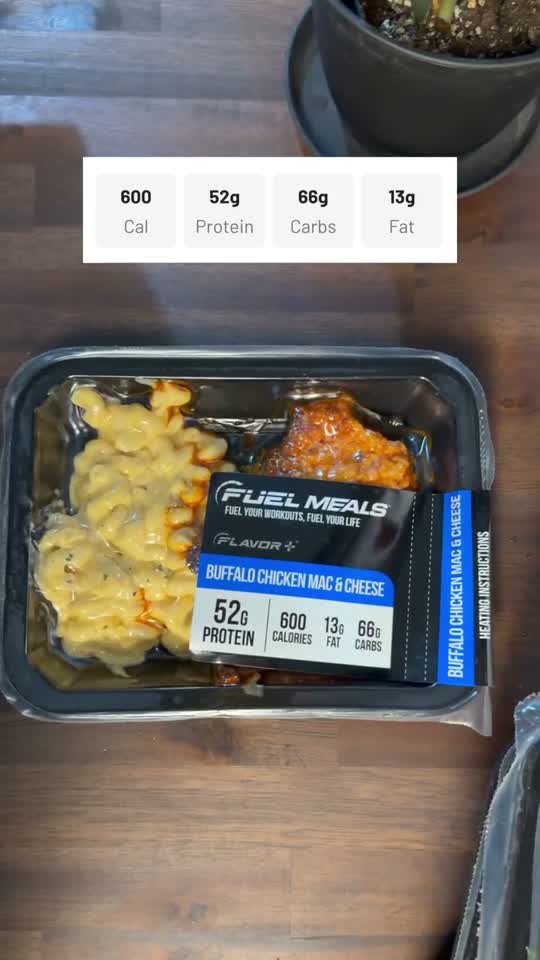
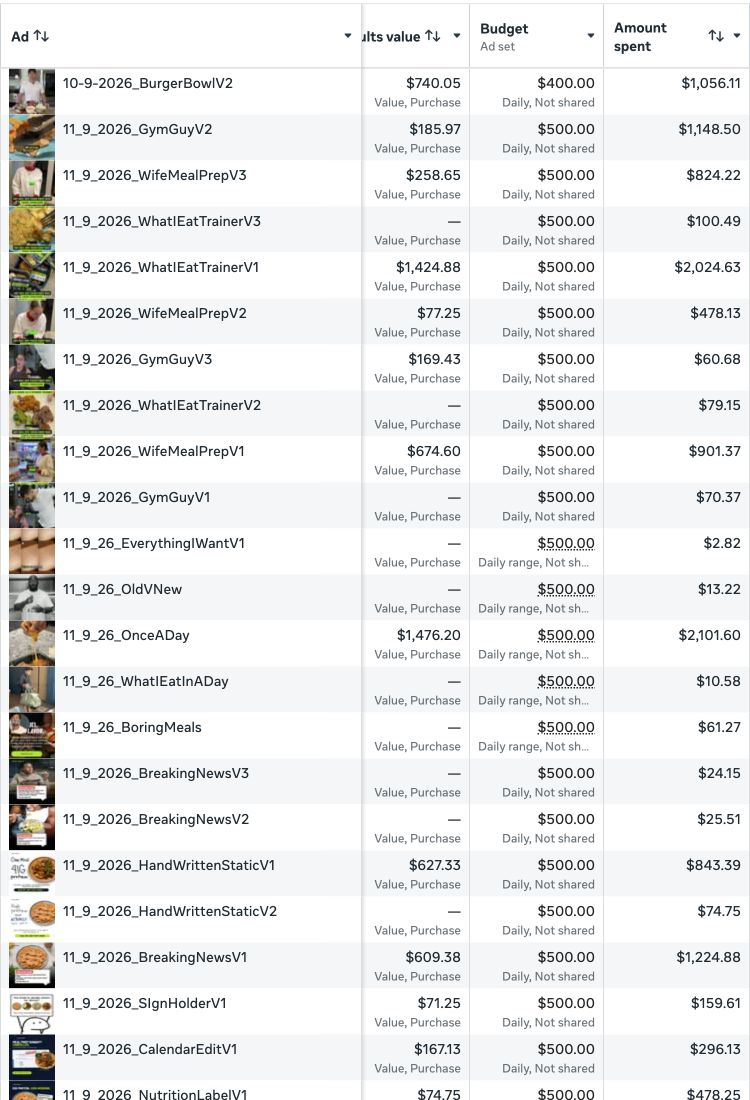
7 of Fuel Meals’ 10 best-performing ads were ours.Ranked by purchases. The creative is what made the platform work.



Common questions
Is Google only for services and Meta only for ecommerce?
No. Both can support products and services. The buying situation, campaign format, offer, economics and execution matter more than that division. Our two examples deliberately use both approaches.
Does Google Ads mean only Search?
No. Search, Shopping, video and discovery formats have different roles. Google’s Demand Gen guidance describes visual discovery formats. Check the format before comparing platforms.
Should every business launch both platforms?
No. Start with a clear hypothesis and a test you can support. Add another channel when it has a defined role and the budget, measurement and team capacity are there.
How much should we spend?
There is no universal starting amount. Use likely acquisition costs, contribution or project margin, the sales cycle and the evidence needed to make a decision. Set a spend limit before launching.
Make the next dollar
a considered one.
What do you sell, how do people choose it, and what happens after the click? We’ll start there.
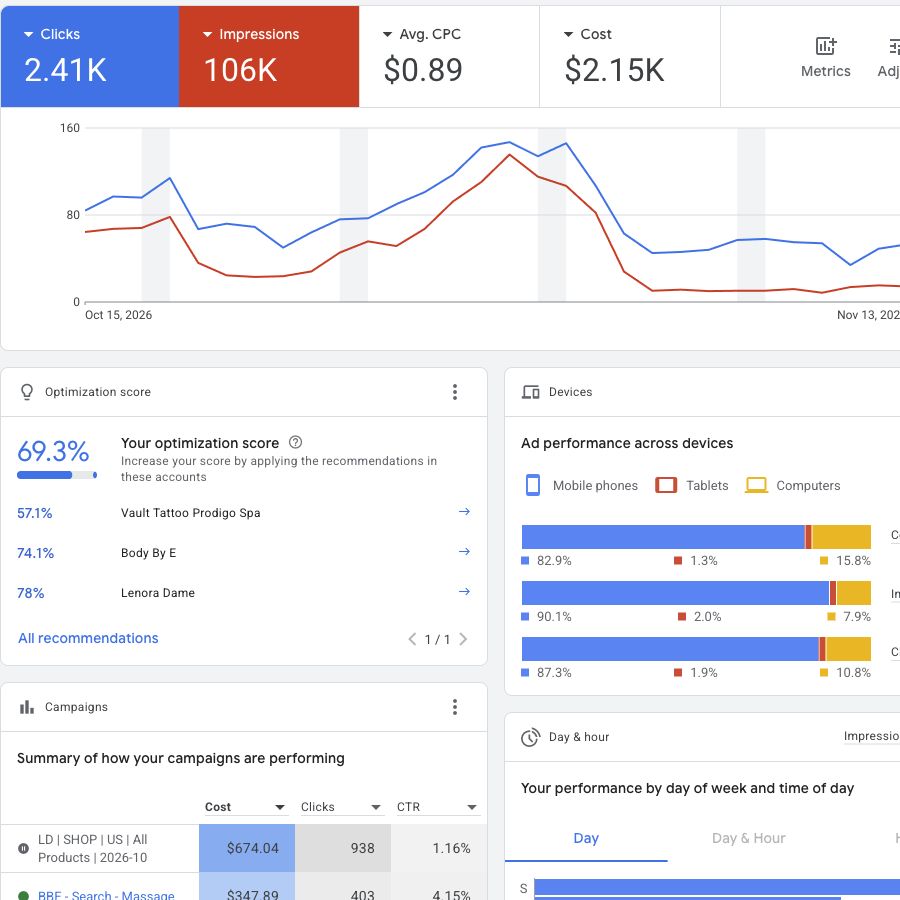
Talk through your advertisingSee it in practice: Lenora Dame (founder films and paid social) and Vault / Prodigo (Google Ads and SEO).
Explore paid media, content production and websites and systems.